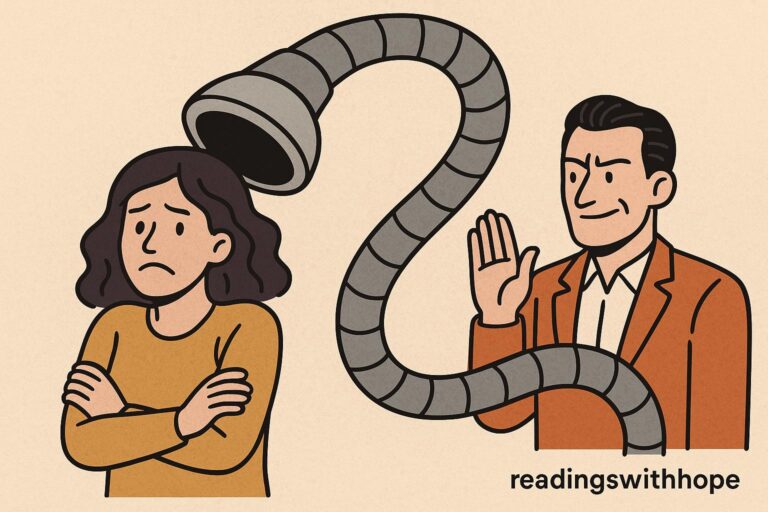
How Narcissists Charm You on the Very First Date
Let me start with something we all already know: first dates are performances. Everyone’s curating, highlighting, smoothing edges. That’s not pathology—that’s human. What fascinates me, though, is how narcissistic charm doesn’t just aim to impress; it aims to position. On a very first date, the narcissistic individual isn’t simply trying to be liked. They’re conducting a rapid assessment, calibrating their persona, and testing how quickly they can establish psychological leverage.
If we look at this through a personality dynamics lens, the first date becomes less about romance and more about strategic self-construction in real time. What often gets mislabeled as “chemistry” is frequently a highly efficient combination of mirroring, idealization, and emotional acceleration. And I’d argue that even seasoned clinicians underestimate how deliberate this process can be.
What’s Really Driving the First-Date Magic
It’s Not Just Charm, It’s Supply Acquisition
When I say the first date is strategic, I don’t mean it in a cartoon-villain way. I mean it structurally. At the core, especially in grandiose narcissism, there’s an unstable self-system that depends on external validation. The first date offers a fresh, high-yield opportunity for what we might as well call premium narcissistic supply.
But here’s the nuance: not all supply is equal. A random admirer isn’t as valuable as a discerning, accomplished, emotionally intelligent partner. So what happens? The narcissistic dater performs upward. They subtly signal status, confidence, and uniqueness—not just to attract, but to secure someone who enhances their self-concept.
I’ve seen this play out in subtle ways. A client once described a first date where the man spent twenty minutes discussing a recent speaking engagement—not overt bragging, but carefully framed humility. “It was exhausting, honestly, but the audience was incredible.” That line does double duty: it showcases achievement while inviting admiration. The target feels lucky. The narcissist feels elevated. That’s ego stabilization happening in real time.
Rapid Identity Tailoring
One of the most overlooked elements is how quickly narcissistic individuals adjust their identity presentation. This isn’t ordinary empathy-based attunement. It’s closer to adaptive mirroring in service of impression management.
On a first date, they’re scanning for values, aspirations, wounds, even moral language. If you mention that you value emotional depth, suddenly they have a history of profound self-reflection. If you talk about ambition, they pivot to their five-year vision. It can feel uncanny.
What’s interesting—and I think this deserves more attention—is how this mirroring is often less about deception and more about fluid self-boundaries. Many narcissistic individuals don’t experience a cohesive, stable identity. So adopting traits that resonate with a desirable partner isn’t experienced internally as lying. It feels like optimization.
I once asked a narcissistically inclined client whether he believed the passions he expressed on first dates were genuine. He paused and said, “They are in that moment.” That sentence stuck with me. It captures the situational authenticity that makes the charm so convincing.
Emotional Acceleration as Control
Let’s talk about pacing. Healthy bonding unfolds incrementally. Narcissistic charm compresses time. The goal isn’t just connection—it’s asymmetry.
When someone says on a first date, “I feel like I’ve known you forever,” that can sound romantic. But from a dynamics perspective, it’s a test balloon. If you respond positively, the intimacy dial gets turned up again. Vulnerability disclosures appear. Eye contact intensifies. The conversation shifts from hobbies to childhood wounds.
Why accelerate? Because speed destabilizes discernment. The faster emotional investment forms, the less cognitive space there is for critical evaluation. We know from attachment research that anxious or trauma-exposed individuals are particularly sensitive to rapid bonding cues. Intensity becomes misinterpreted as depth.
I’ve watched this happen clinically. A client described leaving a first date feeling euphoric and slightly overwhelmed. “It was like we skipped five dates,” she said. Exactly. That skipping is not accidental. It creates a premature sense of exclusivity. And once exclusivity is implied, withdrawal later becomes more destabilizing—laying groundwork for intermittent reinforcement cycles.
Idealization as a Hook
The early idealization phase deserves its own spotlight. On first dates, narcissists often elevate the other person to exceptional status. “You’re different.” “You’re rare.” “You get me.”
Here’s what’s clever about this: idealization activates the target’s aspirational self. If someone you perceive as high-status reflects back that you’re extraordinary, your brain rewards that interaction. Dopamine spikes. The encounter becomes encoded as meaningful.
But there’s a second layer. By placing you on a pedestal, the narcissistic individual subtly establishes evaluative authority. If they later withdraw or critique, the contrast is psychologically jarring. You move from exceptional to uncertain. That’s destabilizing, and destabilization increases pursuit behavior.
We often talk about love-bombing as excessive flattery. I think that’s too shallow. It’s more accurate to frame it as identity inflation with a future devaluation clause. The hook isn’t just admiration—it’s the creation of a relational narrative in which the narcissist becomes the arbiter of your specialness.
Why Experts Sometimes Miss It
Here’s where I’ll challenge us a bit. Even as clinicians or researchers, we can underestimate how socially reinforced narcissistic traits are in dating contexts. Confidence, storytelling ability, intensity, focused attention—these are culturally rewarded behaviors.
On a first date, a narcissistic individual can look like the most present, charismatic person in the room. They maintain eye contact. They ask questions. They remember details. Compared to distracted or avoidant daters, they shine.
The difference isn’t in the behaviors themselves—it’s in the function. Is the attunement mutual, or is it instrumental? Is the vulnerability reciprocal, or is it strategic disclosure designed to fast-track bonding?
When we shift from surface traits to underlying regulatory goals, the pattern becomes clearer. The first date isn’t about discovering compatibility. It’s about securing position, admiration, and influence as quickly as possible.
And that, to me, is where the real story begins.
The Tactics You’ll See on the First Date
Accelerated intimacy that feels electric
Let’s get concrete. When narcissistic charm shows up on a first date, it’s rarely sloppy. It’s polished, intuitive, and timed. One of the most powerful moves is accelerated intimacy. I’m talking about disclosures that usually belong on date five suddenly appearing over appetizers.
You’ll hear things like, “I don’t usually open up like this,” followed by a carefully curated story about betrayal, childhood loneliness, or a misunderstood genius narrative. The content isn’t random. It’s chosen to evoke empathy while also highlighting resilience or specialness.
What’s happening psychologically? Two things at once. First, they create a sense of exclusivity—you’re being trusted with something rare. Second, they test how quickly you move into caretaker mode. If you respond with warmth and validation, the emotional pace increases again.
Experts sometimes assume vulnerability equals authenticity. But in narcissistic dynamics, vulnerability can function as a bonding accelerant, not necessarily a bid for mutual closeness.
Precision mirroring that feels like fate
Mirroring is often discussed in broad strokes, but the precision is what makes it powerful. I’ve seen narcissistic individuals track micro-preferences in real time. You mention loving spontaneous travel; suddenly they’re “not really into rigid plans either.” You describe being deeply family-oriented; they pivot to how much they value loyalty and long-term connection.
This isn’t just shared interest building. It’s identity alignment engineering.
What makes it convincing is the speed. Most people reveal compatibility gradually. The narcissistic dater compresses the discovery phase. Within an hour, you feel eerily seen. “We’re so similar,” you might think.
But similarity formed under time pressure often isn’t similarity—it’s reflection. And reflection feels magical because it validates the self without friction.
I once worked with someone who said, “It was like he was the male version of me.” Six months later, none of those shared passions existed. That early resonance wasn’t mutual construction. It was adaptive presentation.
Idealization scripts that hook the ego
The lines are familiar but potent. “You’re not like other people.” “I’ve never connected like this before.” “You’re exactly what I’ve been looking for.”
These statements are not just flattery. They activate what I’d call ego-syntonic reward loops. If someone you perceive as high-value identifies you as exceptional, your brain encodes that interaction as significant.
But here’s the deeper layer: idealization establishes evaluative hierarchy. When someone frames you as rare, they implicitly position themselves as someone qualified to recognize rarity. That subtle authority dynamic often goes unnoticed.
Later, if that same person withdraws or shifts tone, the contrast destabilizes your sense of relational security. The pedestal wasn’t just praise. It was a setup for future control.
High-intensity attunement that feels rare
Many people leave first dates with narcissists saying, “I’ve never felt so focused on.” Phones stay away. Eye contact is steady. Laughter is responsive. There’s almost theatrical attentiveness.
To be clear, attention itself isn’t pathological. But in narcissistic dynamics, attention is often instrumental rather than reciprocal. It’s used to gather data and amplify attachment quickly.
What’s especially compelling is the contrast effect. In a dating culture filled with distraction and ambivalence, someone who seems fully present stands out dramatically. The brain interprets this as emotional safety.
Yet often, that attunement fades once the attachment is secured. The early intensity wasn’t baseline personality—it was a strategic peak.
Subtle status signaling
You’ll notice humble-brag storytelling, selective name-dropping, or anecdotes that highlight desirability. The narcissistic dater wants you to perceive them as high-value, but never desperate.
There’s often a calibrated mix of availability and scarcity. They might reference past admirers or busy schedules—not overtly, just enough to signal demand. This activates competitive instincts and heightens perceived value.
Scarcity increases desire. We know this from behavioral economics. Narcissistic charm often incorporates it intuitively.
Boundary testing disguised as playfulness
This one is more subtle but crucial. On a first date, there may be small moments of teasing, light pushback, or minor boundary crossings framed as humor.
If you tolerate them, the narcissistic individual gathers information about how much friction you’ll accept later. If you push back confidently, they often recalibrate quickly.
The first date, then, isn’t just seduction. It’s data collection and leverage assessment.
Why It Works So Well
Neurochemistry loves intensity
Let’s be honest. The brain doesn’t care about diagnostic categories. It cares about stimulation and reward.
Novelty triggers dopamine. Prolonged eye contact and vulnerability disclosures increase oxytocin. Emotional arousal—especially when mixed with uncertainty—activates the stress system in ways easily misinterpreted as chemistry.
When someone creates rapid emotional closeness, your nervous system lights up. That activation gets labeled as connection.
But there’s a difference between calm attunement and high-arousal bonding. Narcissistic first dates often lean toward the latter. Elevated heart rate, cognitive preoccupation, replaying the conversation afterward—these are signs of stimulation, not necessarily compatibility.
Attachment vulnerabilities amplify the effect
Certain profiles are particularly responsive to this dynamic. Individuals with anxious attachment often equate intensity with security. Rapid reassurance feels like relief.
Highly empathic individuals are especially susceptible to curated vulnerability. When someone shares a story of being misunderstood or betrayed, empathic listeners lean in. That leaning in deepens asymmetry.
Those emerging from loneliness or recent heartbreak are also more vulnerable. A powerful first-date experience can feel like proof that connection is still possible. Hope amplifies bonding.
And here’s the uncomfortable truth: many high-functioning, self-aware adults still carry relational schemas shaped by early inconsistency. Narcissistic intensity taps directly into those schemas.
Cognitive biases do the rest
Once the narrative of “special connection” forms, confirmation bias kicks in. You interpret ambiguous behaviors in alignment with the initial story.
The halo effect magnifies positive impressions. If they’re confident and articulate, you assume they’re also emotionally mature.
Scarcity bias heightens perceived value if they seem selectively interested. The sunk cost fallacy appears quickly once you’ve emotionally invested.
What fascinates me is how little overt manipulation is required. The combination of charm, mirroring, and idealization activates built-in cognitive shortcuts. The brain fills in gaps optimistically.
Intermittent reinforcement begins early
Here’s something I think we underemphasize: the first date establishes the emotional ceiling. If that ceiling is extremely high, even a slight drop feels significant.
A delayed text after an intense evening creates disproportionate anxiety. Why? Because contrast drives attention. The nervous system tries to restore the initial high.
This is how intermittent reinforcement cycles begin—not with cruelty, but with fluctuation. The memory of that extraordinary first date becomes the reference point. Future inconsistency feels like loss.
It doesn’t feel malicious
One final nuance. Many narcissistic individuals don’t experience their behavior as calculated exploitation. They experience excitement, admiration, even genuine enthusiasm.
The problem isn’t always conscious intent. It’s the structural reliance on external validation and control to regulate self-worth.
That’s why the charm can feel so real. In that moment, it often is. The connection feels electric to both parties. The difference lies in sustainability. Healthy attachment tolerates gradual unfolding. Narcissistic charm peaks early and struggles with stable reciprocity.
Final Thoughts
When we look closely, the first date stops being a mystery and starts looking like a system. Mirroring creates resonance. Idealization creates elevation. Intensity creates bonding. Add in cognitive bias and attachment vulnerability, and the experience can feel transformative.
The challenge—for daters and for us as experts—is not to pathologize charisma. It’s to understand function. When charm accelerates attachment, compresses intimacy, and subtly establishes hierarchy, we’re no longer just watching chemistry unfold.
We’re watching a dynamic take shape.